
8 Focus Tools for Designers (That Actually Reduce Distraction)
Focus is rarely about willpower. More often, it’s the result of an environment that quietly supports attention instead of fragmenting it. The tools you use, the way your workspace is arranged, and the number of decisions you’re asked to make before you even begin all shape how easily you can settle into deep work.
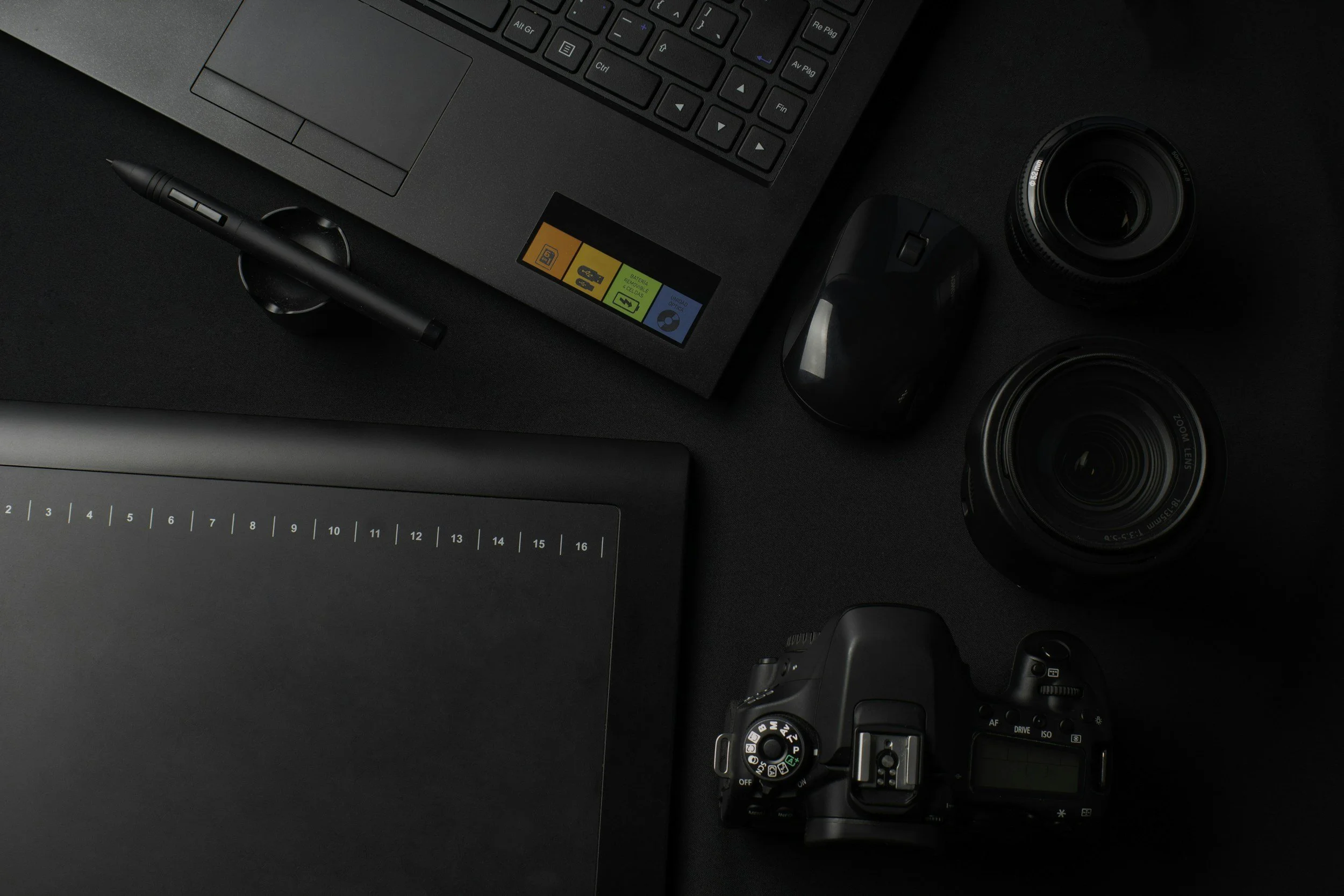
This toolkit isn’t about productivity hacks or working faster. It’s about designing conditions that allow focus to happen naturally. Each tool earns its place not through novelty, but by reducing friction, lowering cognitive load, and creating consistency throughout the workday.
What follows are eight tools I use to design with focus—chosen for restraint, reliability, and how well they work together as a system.
Some links in this post may be affiliate links. If you make a purchase through them, Mockhaus may earn a small commission at no additional cost to you.
Tool 1 — A Calm Digital Workspace

Digital tools should disappear when they’re working well. The best platforms prioritize clarity over features and consistency over customization. When interfaces are predictable and visually restrained, your attention stays on the work—not the tool itself.
A calm digital workspace minimizes decision-making. Defaults are clear. Visual noise is reduced. Instead of constantly configuring or troubleshooting, you move fluidly from idea to execution. If a tool regularly interrupts your flow, it doesn't belong in your system.
Tool 2 — A Leather Valet Tray

Physical clutter creates cognitive clutter. A simple catch-all gives everyday essentials a defined home while keeping everything else out of sight.
A leather valet tray works because it offers containment without over-structuring. There are no complex compartments to manage; keys, pens, and glasses land in one predictable place. When objects have boundaries, your attention does too.
View a minimal leather valet tray — on Amazon
Tool 3 — Noise-Canceling Headphones

Focus isn’t only visual—it’s auditory. Sudden or inconsistent sound is one of the fastest ways to break concentration.
The goal isn’t total silence; it’s consistency. Over-ear headphones create a stable auditory environment, especially in shared apartments or city settings. Used intentionally, sound management becomes a proactive part of your design system rather than a reactive fix.
Tool 4 — A Single Pen You Enjoy Using
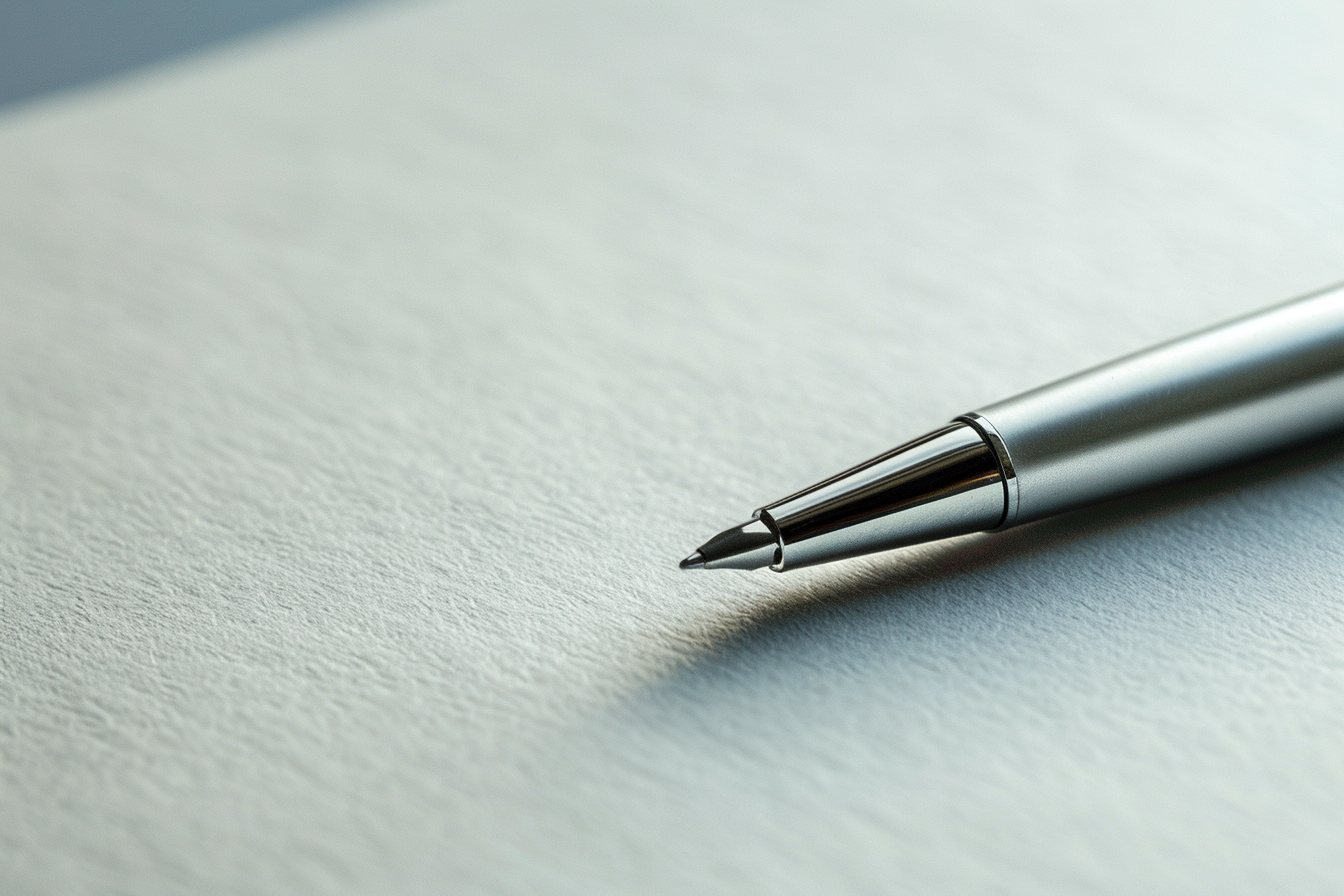
Choice is often disguised as freedom, but it can quietly drain attention. Writing tools are a clear example of how limitation supports focus.
One pen—chosen because it feels right and writes reliably—is enough. Multiple options invite comparison and hesitation. Over time, picking up the same pen becomes a ritual cue, signaling that it is time to think, sketch, or write. Focus begins before the work does.
Tool 5 — A Minimal A5 Notebook

Paper still matters. A minimal dotted A5 notebook strikes a balance between structure and openness. It supports note-taking and idea development without imposing an unnecessary hierarchy.
The size keeps thinking contained, while the dot grid guides without dictating. It encourages clarity without over-documentation—an essential distinction for sustained creative work.
Tool 6 — Desk Trays and Visual Containment

Visual containment is one of the most overlooked tools for focus. When objects spread across a desk without boundaries, attention fragments. Even familiar items demand mental energy when they lack a defined home.
Desk trays solve this by creating clear spatial limits. Essentials stay accessible, but they no longer compete for your gaze. This isn't about styled minimalism; it’s about reducing the micro-decisions of scanning and rearranging.
Tool 7 — Screen Elevation

Physical comfort shape mental endurance. Screen elevation—bringing your monitor to eye level—reduces the neck strain and subtle fatigue that accumulates throughout the day.
This isn’t ergonomics as "optimization," but ergonomics as the removal of physical distractions. When your body is supported, your attention lasts longer without conscious effort. A simple, sturdy riser is often all that's required.
View: Aluminum Laptop Stand — on Amazon
Tool 8 — A Digital "Gatekeeper"

Focus is a finite resource; once it leaks, it is difficult to reclaim. A digital gatekeeper—whether it is a dedicated Focus Mode or a minimalist app launcher—acts as the final boundary.
By automating your boundaries, you remove the burden of choice. When you don't have to decide to stay off your inbox, that energy is redirected back into the design.
The Workspace as a Living System
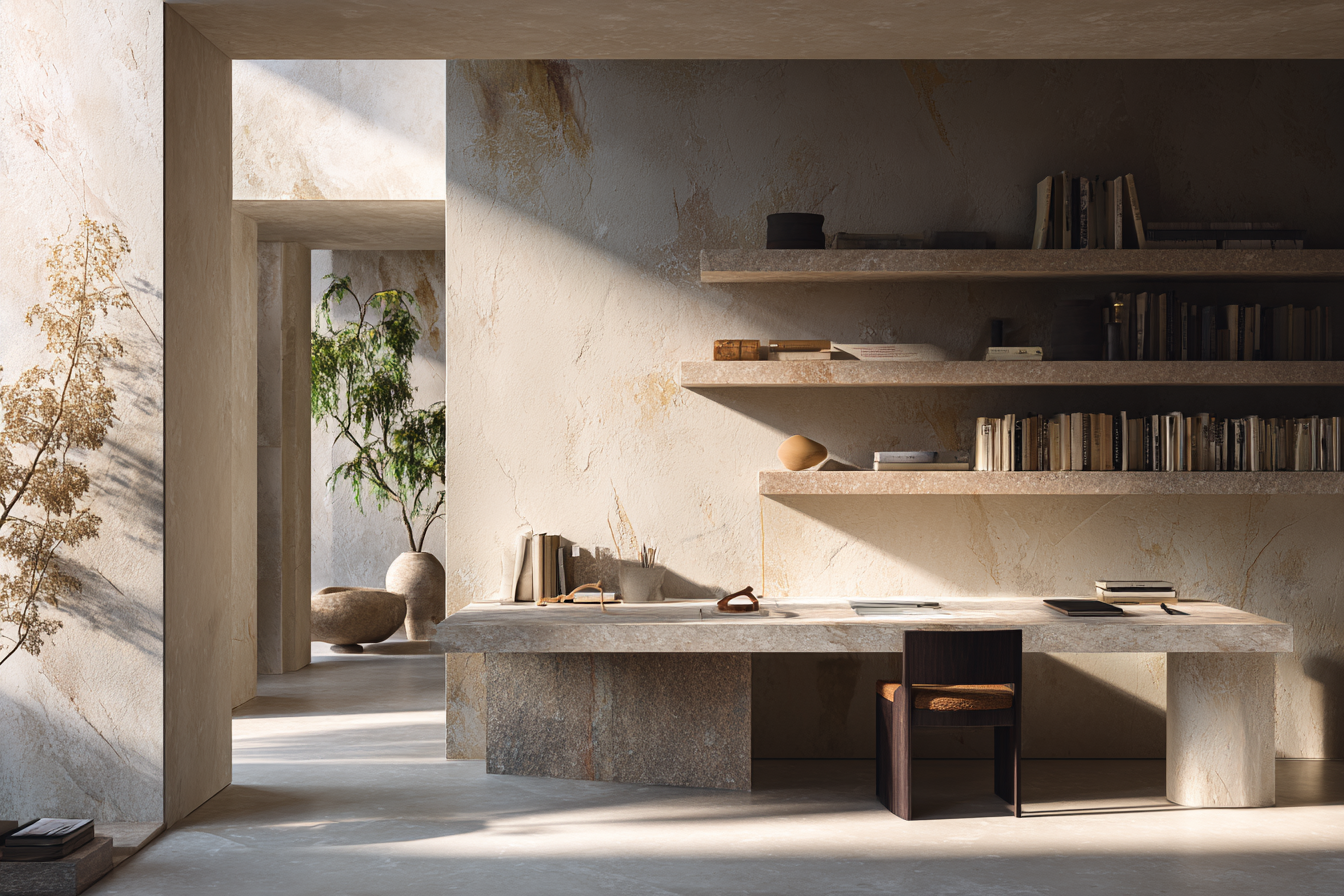
A toolkit is only as effective as the logic that connects it. These eight tools aren't a random collection of objects; they are a cohesive system designed to protect your most valuable asset: your attention.
When we reduce friction—by elevating a screen, choosing a single reliable pen, or containing clutter—we aren't just "cleaning up." We are designing a state of mind. We are deciding, in advance, that the work matters more than the distractions surrounding it.
True productivity isn't about adding more to your day; it’s about removing what doesn't belong until only the work remains.
Focus is shaped by your environment. Organized tools, clear workspaces, and consistent naming reduce decision fatigue and interruption. Minimal interfaces and ritualized workflows lower cognitive load and cue focus.
This toolkit isn’t about optimization for speed. It’s about designing conditions that allow focus to happen naturally.
